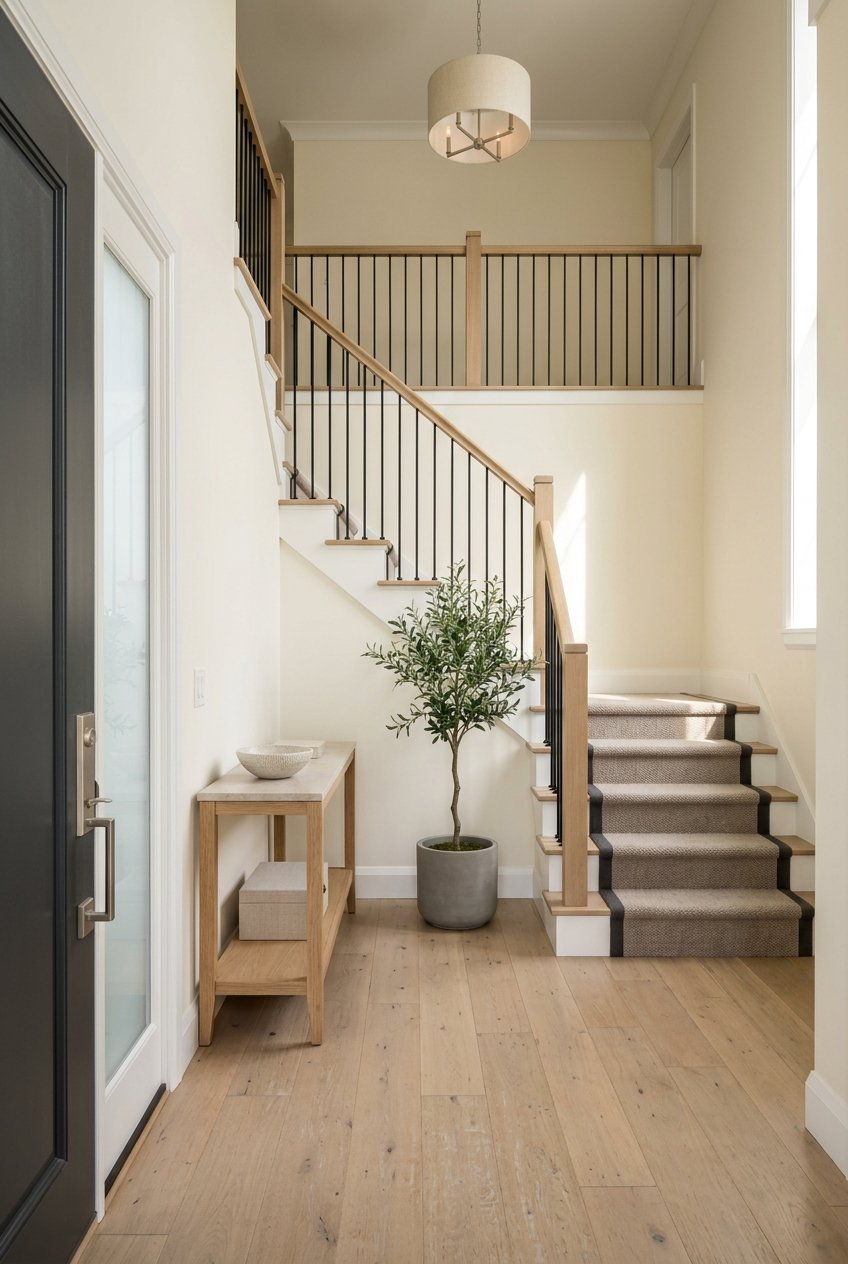
Buying And Selling In Barrie At Once: A Calm Game Plan
Trying to buy and sell in Barrie at the same time can feel like solving a puzzle with moving pieces. You want to protect your budget, avoid unnecessary stress, and still land in the right home at the right time. The good news is that with a clear plan, this move can feel far more manageable. Let’s walk through a calm game plan.
Barrie’s market gives you options, but it does not guarantee perfect timing. In July 2025, the Barrie and District Association of Realtors reported 171 residential sales, 1,069 active listings, 4.6 months of inventory, and an average of 34 days on market. That mix suggests buyers have choice, while sellers should not assume their home will sell instantly.
Price points also matter when you are trying to line up two transactions. In Q3 2025, CREA reported Barrie median prices of $770,000 for single detached homes, $596,000 for townhouse and row units, and $445,000 for apartments. If you are moving up, downsizing, or changing property type, even a small timing gap can affect your financing and closing cash.
The first question is not “Which home should I buy?” It is “What sequence fits my finances, timeline, and stress tolerance?” That answer shapes almost every decision that follows.
For many Barrie homeowners, the choice comes down to two main paths:
Each path can work. The best one depends on your available equity, whether you can carry two homes for a short time, and how flexible your move dates are.
If your top priority is certainty, selling first is often the calmer route. This approach gives you a firm sale price, clearer proceeds, and a more accurate budget for your next purchase. It can also reduce the pressure of trying to arrange financing for two properties at once.
Selling first may help you avoid bridge financing, or at least reduce the need for it. It also gives you a more grounded view of what you can spend after mortgage payout, legal costs, and other closing expenses are accounted for. For many households, that clarity is worth a lot.
The tradeoff is that you may need a temporary plan if you do not find your next home right away. That could mean short-term housing, staying with family, or using storage for part of your move. It is not always ideal, but it can be much less stressful than stretching your finances too thin.
Selling first may be the better fit if:
Buying first can make sense when the next home is hard to replace or when you need to move on a fixed schedule. This can happen with a job change, a military posting, a family timing issue, or a very specific housing need. In these cases, securing the next home may matter more than creating a perfect sale-to-purchase sequence.
The challenge is cash flow. If your down payment depends on equity from your current home, you may need a financing strategy to bridge the gap until your sale closes. That is why lender conversations need to happen early, not after you find the next property.
Buying first may be the better fit if:
If you buy before your current home closes, you may need short-term funding. One common tool is bridge financing. This is designed to cover the gap between the purchase of your new home and the sale of your current one, and it is typically repaid using the sale proceeds.
In many cases, a lender will want a firm sale agreement on your existing home before approving bridge financing. That is an important detail, because it means bridge financing is not a magic solution for every situation. It works best when the sale is already secured and the closing dates simply do not line up.
A home equity line of credit, or HELOC, can also be part of the plan. This is a revolving credit product secured by your home, and you pay interest only on what you borrow. However, if the home is sold, the HELOC must be repaid, so it needs to be reviewed carefully as part of your full move budget.
Mortgage portability is another option worth asking about. If your mortgage is portable, you may be able to transfer your existing balance, rate, and terms to the next property. That can help reduce prepayment penalties and make the numbers easier to manage.
A purchase offer can include conditions, such as financing approval, a home inspection, or the sale of your current home. The contract becomes final only once those conditions are met. This can give you protection when you are trying to manage two deals at once.
That said, an offer conditional on selling your current home is usually less attractive to sellers in a stronger market. In a market with more balance, these conditions may be more workable. In Barrie, where inventory has improved, there may be situations where this strategy is worth discussing, but it should be evaluated case by case.
If you expect to use conditions, decide in advance which ones matter most to you. In active situations, some buyers feel pressure to remove protections too quickly. Ontario’s real estate regulator notes that skipping a home inspection can be a significant risk, so it is wise to think through your limits before you are in the heat of competition.
When you are buying and selling at once, the down payment is only part of the picture. You also need to plan for closing costs, legal fees, title insurance, moving costs, and possible temporary housing or storage. If the dates do not line up, those extra costs can add up quickly.
CMHC notes that closing costs are usually about 1.5% to 4% of the purchase price. In Ontario, land transfer tax is also payable when the transfer is registered. For Barrie buyers, that means budgeting for Ontario land transfer tax, without the additional municipal tax that applies in Toronto.
A good affordability check matters too. Federal guidance suggests keeping monthly housing costs to about 39% or less of gross monthly income and total debt load to about 44% or less. These are useful guardrails when you are deciding whether you can comfortably manage overlap between homes.
One of the biggest stress triggers in a simultaneous move is late planning. If you wait until your home is listed, or worse, until it is sold, to figure out your next steps, your choices can narrow fast. A calmer move usually starts earlier.
RBC recommends allowing at least 30 days to get your current home market-ready before listing. CMHC notes that closing on an existing home is usually 30 to 60 days after the agreement is signed. Put together, those timelines show why you should build your move plan before either transaction begins.
Here is a practical sequence to consider:
In Ontario, real estate salespersons, brokers, and brokerages are regulated under TRESA and must be registered with RECO. That is one reason it helps to keep your agent, lender, and lawyer in the same conversation early. When everyone understands your target sale price, purchase budget, financing plan, and preferred dates, the move tends to feel far more organized.
In Barrie, recent inventory levels and average days on market suggest you should prepare for timing gaps rather than assume everything will line up neatly. That does not mean your move will be difficult. It simply means a backup plan is part of smart planning.
Whether you are moving up, downsizing, relocating for work, or trying to simplify your next chapter, the best strategy is usually the one that protects your cash flow and lowers avoidable pressure. A calm move is rarely about perfect timing. It is about making clear decisions early and staying flexible when dates shift.
If you are planning a lifestyle move in Barrie or Simcoe County, Heather Beauchesne can help you map out the sale, the purchase, and the timing in between with a clear, no-pressure plan.

A local look at homes, neighbourhoods, lifestyle, commuting and what buyers should know when choosing between Barrie and Springwater, Ontario.



Working with Heather Beauchesne means having a trusted Barrie real estate expert who brings over a decade of experience and a clear, people-first approach to every move. Specializing in residential real estate, first-time buyers, and military relocations near CFB Borden, she offers honest guidance, strategic insight, and steady support from start to finish.
Heather Beauchesne | Hearth & Home Team
218 Bayfield St Barrie ON L4M 3B6, Canada