Buying a Home in Orillia, Ontario | Orillia Real Estate Guide 2026
Orillia Real Estate
Orillia Real Estate
Orillia doesn't get talked about as much as Barrie in real estate conversations, but for buyers who've spent time there, it tends to stick with them. There's something about the waterfront, the walkable downtown, and the overall pace of life that resonates with people — and more buyers are starting to take it seriously as a place to plant roots.
If you're considering buying a home in Orillia, this guide will walk you through what the market looks like, what makes it different from other communities in Simcoe County, and what you should know before you start booking showings.
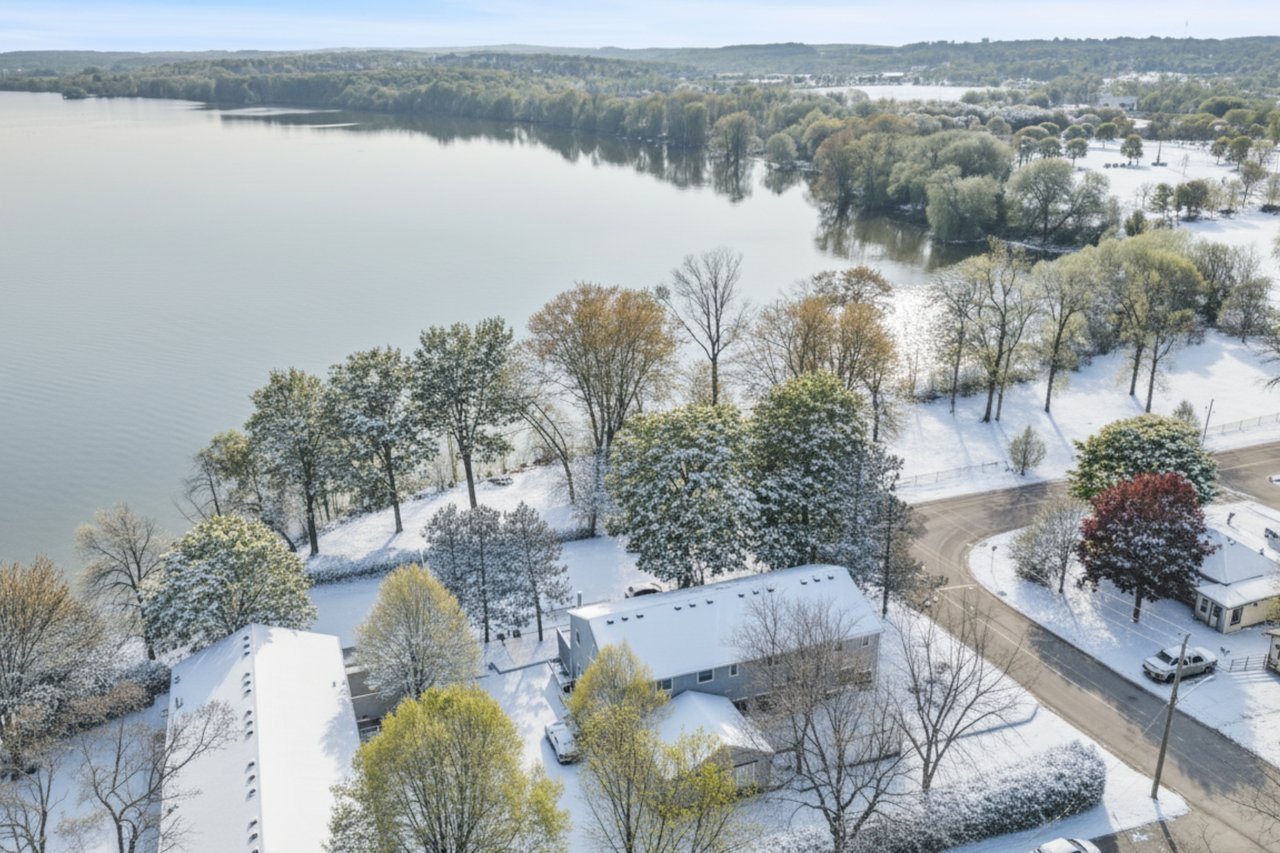
Orillia sits at the southern end of Lake Couchiching and Lake Simcoe, and the waterfront isn't just scenery — it's woven into everyday life in the city. Couchiching Beach Park, the downtown marina, and the trail system along the water are genuinely used by residents, not just tourists.
The downtown core is one of Orillia's strongest assets. It has the kind of independent shops, restaurants, and character that a lot of buyers are looking for but rarely find in newer suburban communities. If walkability and a sense of community matter to you, Orillia delivers that in a way that feels organic rather than manufactured.
At the same time, it's a real city with real amenities — Costco, major grocery chains, hospital services, and good highway access via Highway 11 and Highway 12. For buyers who want small-town feel without sacrificing convenience, Orillia tends to hit that mark well.
Orillia's market is generally slightly more affordable than Barrie's, and it tends to attract a different mix of buyers — locals moving up or down within the city, buyers coming from the GTA who want more space and a different pace, and retirees drawn to the waterfront lifestyle and the community feel.
The market moves at its own rhythm. There are neighbourhoods that are highly desirable and move quickly when a home comes available — particularly anything near the water or in the older established areas close to downtown. Other parts of the city offer more inventory and more time to make decisions.
Understanding which neighbourhoods are in demand and what comparable homes are actually selling for (not just listed at) is something your Realtor should be able to speak to clearly before you start viewing homes.
Orillia has a handful of distinct areas worth understanding before you start your search.
The Waterfront and West Ward areas near Lake Couchiching attract buyers who want proximity to the beach, the park, and the downtown. These tend to be older homes with character and charm — but they often require more due diligence on the condition of major systems.
The North Ward is one of Orillia's most established residential neighbourhoods, with tree-lined streets, good schools, and a strong sense of community. Homes here move relatively quickly when priced right.
Newer subdivisions in the east end offer more modern builds with attached garages and open concept layouts. These are popular with families and buyers who want lower maintenance and newer construction.
Coldwater Road and surrounding areas offer some of the best value in the city and are popular with first-time buyers who want more house for their budget.
There's no single best neighbourhood in Orillia — it really depends on what matters most to your family. A good Realtor will help you map your priorities to the right areas rather than just showing you whatever is available.
The mechanics of buying in Orillia are the same as anywhere else in Ontario — pre-approval, offer, conditions, closing. But there are a few things worth knowing that are specific to this market.
First, Orillia has a mix of property ages. Older homes downtown can be beautiful, but they may have older electrical, plumbing, or foundation considerations that need a thorough inspection. Buyers coming from newer suburban markets sometimes underestimate how much due diligence matters on an older home.
Second, waterfront and water-adjacent properties carry their own set of considerations — flood plain designations, shoreline regulations, and seasonal access questions. If you're drawn to the water, your Realtor should be familiar with what to look for and what questions to ask before you fall in love with a property.
Third, because Orillia's market can be competitive in the right price ranges, having your financing in order and your offer strategy thought through before you find the right home matters. Buyers who are prepared to move quickly when the right property comes up are at a real advantage.
For buyers who work outside of Orillia, commute is an important consideration. Highway 11 connects Orillia to Barrie in roughly 25 to 30 minutes under normal conditions, and to the GTA in about 90 minutes. For remote workers, this is often a non-issue — but it's worth thinking through realistically if you commute regularly.
Orillia also has a GO Bus connection to Barrie, where passengers can connect to GO Train service south. It's not as seamless as a direct train connection, but for occasional commuters it can be a workable option.
One of the most common mistakes buyers make when purchasing in a market that isn't their own backyard is working with a Realtor who treats it like a secondary market — someone who covers Orillia but doesn't really know it.
The difference shows up in the details: which streets have noise issues from the highway, which neighbourhoods have seen the most consistent value growth, which listings are fairly priced and which are overpriced relative to what's actually selling. These are things you can only know from genuinely working in a market, not just having access to MLS.
Heather Beauchesne works with buyers across Simcoe County, including Orillia, and brings the kind of local knowledge that makes a real difference when you're trying to make a confident decision in a market that's new to you.
Thinking about buying in Orillia? Reach out to Heather for a conversation about the market, what's available in your budget, and what the process looks like from here. No pressure — just clear, local guidance.
If you're in the early stages of thinking about buying a home, you've probably heard the term "buyer's agent" — but if you've never bought before, you might not be entirely clear on what that actually means in practice.
It's a fair question, and it's worth understanding the answer clearly before you start the process. Because the Realtor you choose to work with as a buyer has a direct impact on the experience you have, the price you pay, and how smoothly everything goes from your first showing to the day you get your keys.
A buyer's agent is a licensed real estate professional who represents you — the buyer — in a real estate transaction. Their job is to act in your best interest at every stage of the process.
This might seem obvious, but it's worth being explicit about: when you call the number on a listing sign or reach out directly to the agent who listed a home, that agent represents the seller. Their job is to get the best outcome for the seller. They are not working for you.
A buyer's agent, by contrast, has a fiduciary duty to you. That means they're legally and ethically obligated to prioritize your interests — in price, in terms, in information, and in advice.
The practical work of a buyer's agent goes well beyond sending you listing alerts. Here's what a strong buyer's agent is doing on your behalf throughout the process:
Helping you define your search. Before you start viewing homes, your agent should be asking the right questions to understand what you actually need versus what would be nice to have. This saves a significant amount of time and prevents you from falling in love with homes that don't truly fit.
Providing real market context. When a home comes on the market, your agent should be able to tell you immediately whether it's priced fairly, overpriced, or potentially a strong value — based on what comparable homes have actually sold for, not just what they're listed at.
Arranging and attending showings. A good agent isn't just unlocking doors. They're walking through the home with you, pointing out things you might not notice, flagging potential concerns, and helping you evaluate each property objectively.
Structuring and submitting offers. This is where experience matters enormously. An offer is more than a price — it includes deposit amounts, conditions, closing dates, and a range of terms that affect both the strength of your offer and your protection as a buyer.
Negotiating on your behalf. Whether it's the initial offer, a counteroffer, or a negotiation after a home inspection, your agent is advocating for your interests and helping you navigate the back-and-forth without making costly emotional decisions.
Managing the process to closing. Once an offer is accepted, there are conditions to meet, timelines to manage, lawyers to coordinate with, and details to track. Your agent keeps the process moving and flags anything that needs your attention.
In a straightforward market where homes sit for weeks and there's no competition, you have more room for error. In a market with limited inventory and motivated buyers — which describes much of Simcoe County in recent years — the quality of your representation has a direct impact on your outcomes.
Specifically, it affects:
Whether your offer is structured to be taken seriously by the seller
How effectively you compete when there are multiple interested buyers
Whether you overpay because you didn't have accurate comparable data
Whether you're protected by the right conditions when something unexpected comes up
How smoothly the process goes from acceptance to closing
An experienced buyer's agent has navigated enough transactions to know what works, what doesn't, and how to adjust based on the specific property, seller, and situation in front of them.
In Ontario, buyer's agent compensation is typically paid by the seller as part of the transaction — meaning in most cases, working with a buyer's agent costs you nothing directly out of pocket.
That said, the landscape around agent compensation has been evolving, and it's always worth having a direct conversation with any agent you're considering working with about how they're compensated and what the arrangement looks like. A transparent agent will explain this clearly and without hesitation.
What's important to understand is that the cost of not having good representation is often far greater than any commission consideration. Overpaying for a property, missing a significant inspection issue, or losing a home because your offer was poorly structured — these are expensive outcomes that the right buyer's agent helps you avoid.
Not all buyer's agents are equal, and working with someone just because they're available or because a friend recommended them isn't always enough.
Signs you're working with the right person include:
They ask more questions than they answer in your first conversation
They give you honest assessments of homes, not just encouragement
They explain their reasoning, not just their recommendations
They're responsive and proactive — you're not chasing them for updates
They have genuine, specific knowledge of the markets you're searching in
Signs to be cautious include an agent who tells you what you want to hear, rushes you into offers, or seems more focused on closing a deal than on finding you the right home.
Heather Beauchesne works with home buyers throughout Simcoe County — including Barrie, Orillia, and Angus — with a focus on honest guidance, strong negotiation, and making the process feel as clear and manageable as possible.
If you're thinking about buying and want to understand what working with a buyer's agent actually looks like in practice, a short conversation is the best place to start.
Ready to have a real conversation about buying a home in Barrie, Orillia, or Angus? Reach out to Heather today — no pressure, no obligation, just clear answers and local expertise.
If you've been thinking about selling your home in Barrie but haven't quite pulled the trigger yet, you're probably somewhere between curious and overwhelmed. Maybe you have a general idea of what your home might be worth, but you're not sure what actually happens between the decision to sell and the day someone hands you a cheque.
That uncertainty is more common than you'd think — and it's one of the main reasons people put off selling longer than they need to. So let's walk through exactly what the process looks like, from start to finish, so you know what to expect.
The first thing most sellers want to know is: what is my home actually worth right now?
The honest answer is that online estimates — Zestimate, HouseSigma, and similar tools — give you a rough ballpark at best. They don't account for updates you've made, the condition of the home, micro-level neighbourhood differences, or what's actually been happening in your specific area of Barrie in the last 90 days.
A Comparative Market Analysis (CMA) done by a local Realtor gives you a much more accurate picture. A good CMA looks at recently sold homes that are comparable to yours in size, age, condition, and location — and uses that data to help you understand where your home sits in today's market.
This is typically the first conversation you'll have with a listing agent, and it should feel like an honest, data-driven discussion — not a sales pitch.
Once you have a sense of your home's value and you've decided to move forward, the next step is getting the home ready to list. This doesn't necessarily mean a major renovation — in most cases, it means presenting the home in its best possible condition so buyers can see its full potential.
Your Realtor should walk through the home with you and give you practical, prioritized advice on what's worth addressing before listing. Common recommendations include:
Decluttering and depersonalizing so buyers can picture themselves in the space
Deep cleaning, including windows, floors, and often-overlooked areas
Minor repairs — leaky faucets, scuffed walls, sticky doors — that signal deferred maintenance to buyers
Curb appeal improvements like fresh mulch, trimmed hedges, or a clean front entrance
The goal isn't perfection — it's making a strong first impression. Buyers form opinions quickly, and both the photos and the showing experience matter enormously.
In today's market, your listing photos are your first showing. The majority of buyers are browsing online before they ever request an in-person visit — which means the quality of your listing's visual presentation directly affects how much interest you generate.
Professional real estate photography is standard practice for a reason: it makes a measurable difference in the number of showings a listing receives. Your Realtor should be coordinating this as part of the listing process, along with a well-written property description that highlights the features buyers in your price range are actually looking for.
Once the listing is live on MLS, it will be syndicated to major real estate platforms — Realtor.ca, Royal LePage, RE/MAX, and others — giving your home maximum exposure to active buyers.
Once your home is listed, showings will start coming in. This is the part of the process that requires the most flexibility from sellers — buyers need to be able to view homes on their schedule, and the more accessible your home is, the more interest it will generate.
Your Realtor will coordinate all showing requests, typically through a showing management system that notifies you and allows you to confirm or adjust timing. You'll receive feedback after showings so you have a clear sense of how buyers are responding to the home.
It's normal to feel a little unsettled during this phase — having strangers walk through your home is strange, and waiting to see if offers come in can be stressful. A good Realtor keeps you informed and manages the process so you're not left wondering what's happening.
When an offer comes in, your Realtor will present it to you and walk you through every element — not just the price, but the deposit, the conditions, the closing date, and any other terms the buyer has included.
You have three options when you receive an offer: accept it, decline it, or counter it. In most cases, there's room for negotiation, and your Realtor's job is to help you navigate that process strategically — knowing when to hold firm and when flexibility on one term might help you secure a better outcome on another.
If you receive multiple offers, your Realtor will help you compare them carefully. The highest price isn't always the strongest offer — conditions, deposit size, and closing date flexibility all factor into which offer is truly best for your situation.
Most offers include conditions — most commonly a financing condition (the buyer needs to confirm their mortgage is approved) and a home inspection condition (the buyer wants to have the home professionally inspected).
During this period, the sale is conditional. Once the buyer satisfies or waives their conditions within the agreed timeframe, the sale becomes firm. At that point, you have a binding agreement and both parties are committed to the transaction.
If an inspection raises concerns, the buyer may come back to negotiate a price adjustment or ask for certain repairs. Your Realtor will help you navigate this conversation and protect your position.
From the time the sale firms up to the closing date, your main responsibility is preparing to move. Your lawyer will handle the legal side of the transaction — reviewing the Agreement of Purchase and Sale, managing the transfer of funds, and ensuring the title is clear.
On closing day, the balance of the purchase price is transferred to you (minus any mortgage payout and closing costs), and ownership officially changes hands. You hand over the keys, and the process is complete.
Your Realtor should be available throughout this period to answer any questions that come up and to make sure nothing falls through the cracks between acceptance and close.
From the decision to sell to closing day, the timeline varies — but a typical transaction in Barrie might look something like this: one to two weeks to prepare and list, days to a few weeks on market before an offer, a conditional period of five to ten business days, and a closing date anywhere from 30 to 90 days after acceptance depending on what's negotiated.
Every sale is different, and your Realtor should help you think through the timeline that makes sense for your situation — especially if you're coordinating a purchase at the same time.
Heather Beauchesne is a Barrie-based Realtor who helps homeowners throughout Barrie, Orillia, and Angus navigate the selling process with clear communication, honest advice, and a strategy built around your goals — not a generic playbook.
If you're thinking about selling and want to start with a real conversation about your home's value and what the process looks like in today's market, reaching out costs nothing and comes with no obligation.
Thinking about selling your Orillia home? Contact Heather today for an honest market evaluation and a clear picture of what selling looks like from start to finish — on your timeline, at your pace.



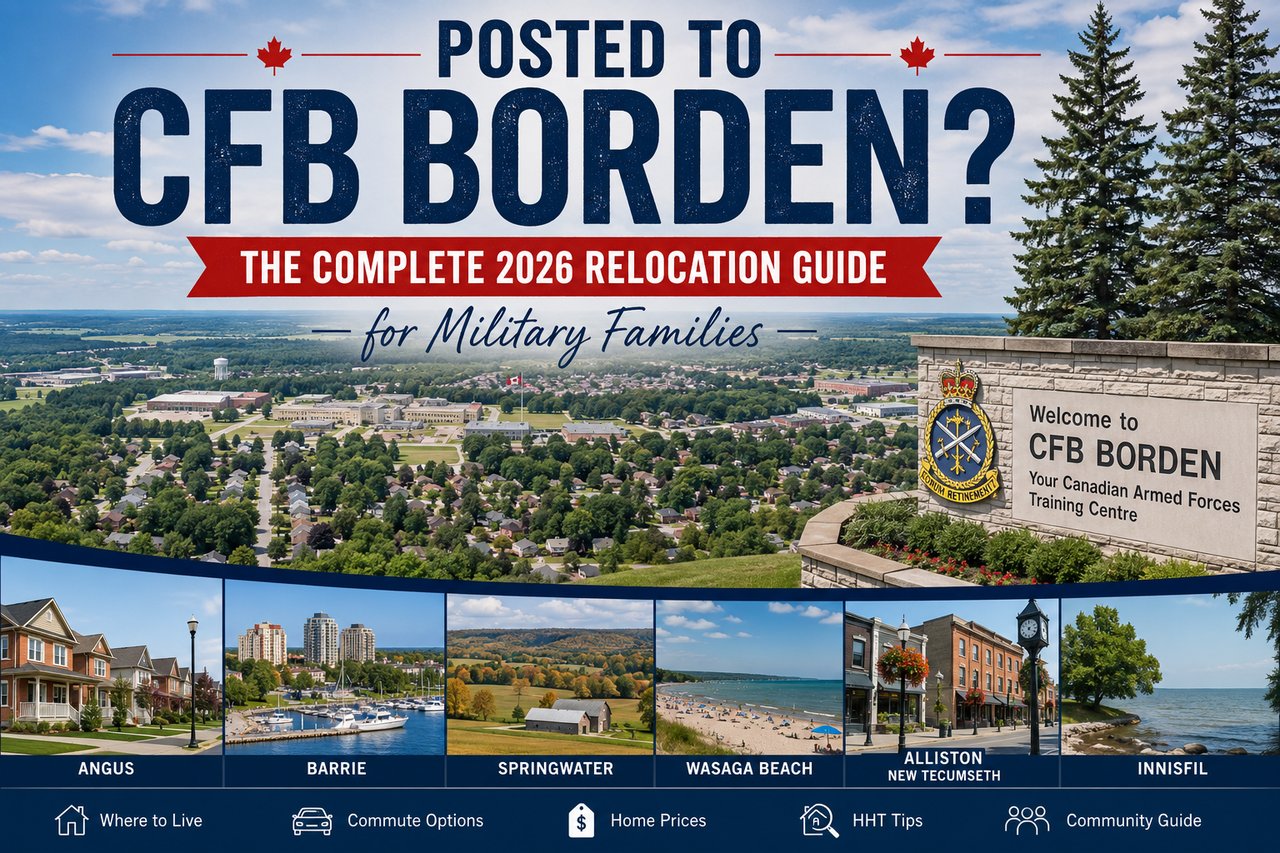
CFB Borden
A Military Family’s Guide to Living, Buying & Relocating Near CFB Borden
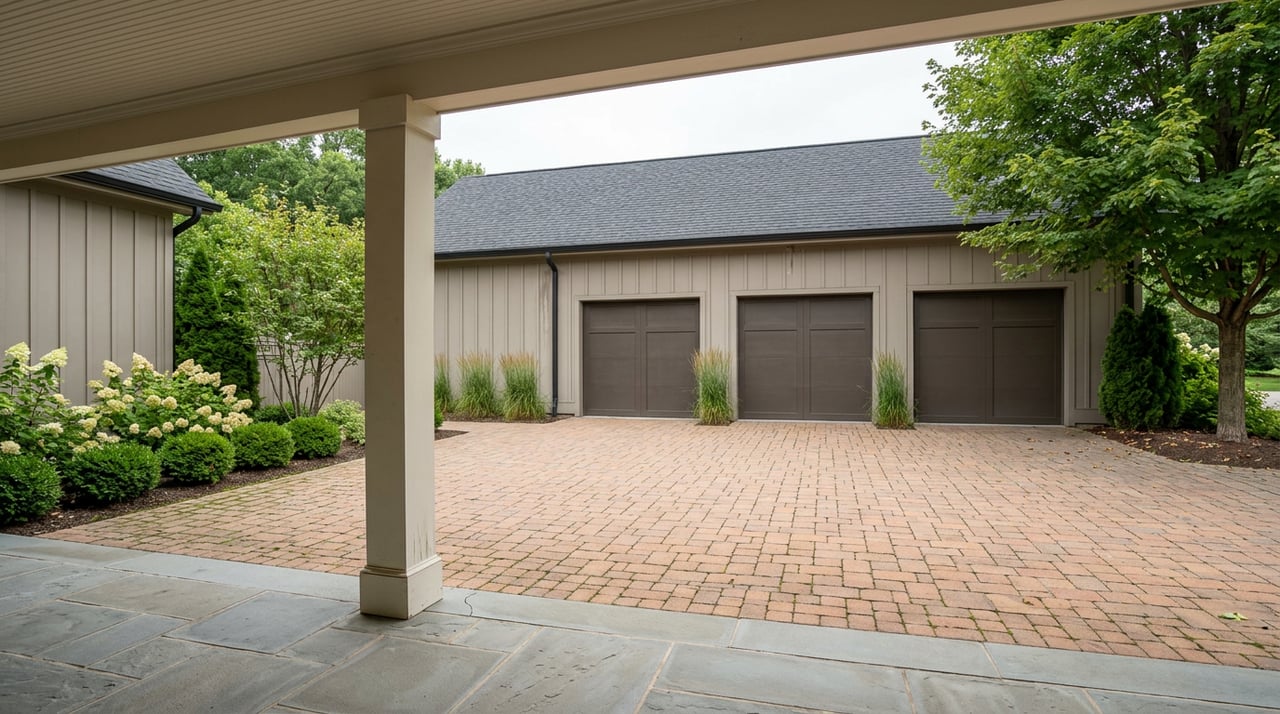



Working with Heather Beauchesne means having a trusted Barrie real estate expert who brings over a decade of experience and a clear, people-first approach to every move. Specializing in residential real estate, first-time buyers, and military relocations near CFB Borden, she offers honest guidance, strategic insight, and steady support from start to finish.

Heather Beauchesne | Hearth & Home Team
218 Bayfield St Barrie ON L4M 3B6, Canada