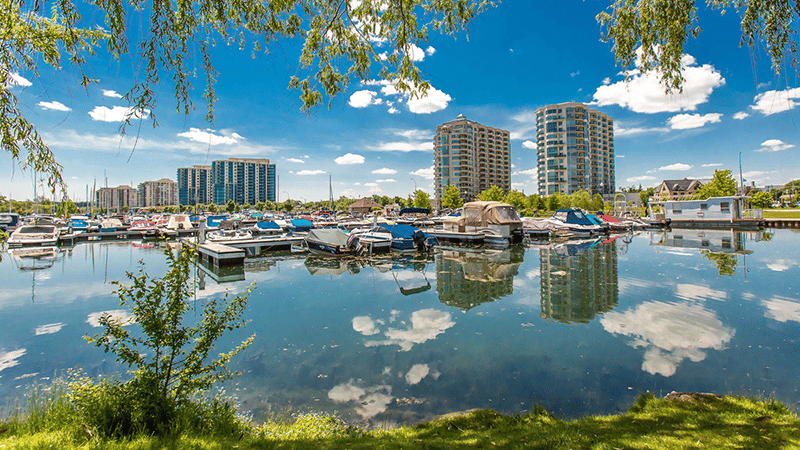
Moving to Barrie from Toronto: The Complete 2026 Relocation Guide
Every year, thousands of Toronto renters and homeowners look north up Highway 400 and start asking the same question: could I actually live in Barrie? If you're priced out of the GTA, tired of the pace, or just want more space for your money, you're not alone — and Barrie has become one of the top landing spots for Toronto transplants in Simcoe County. Here's what you actually need to know before you make the move.
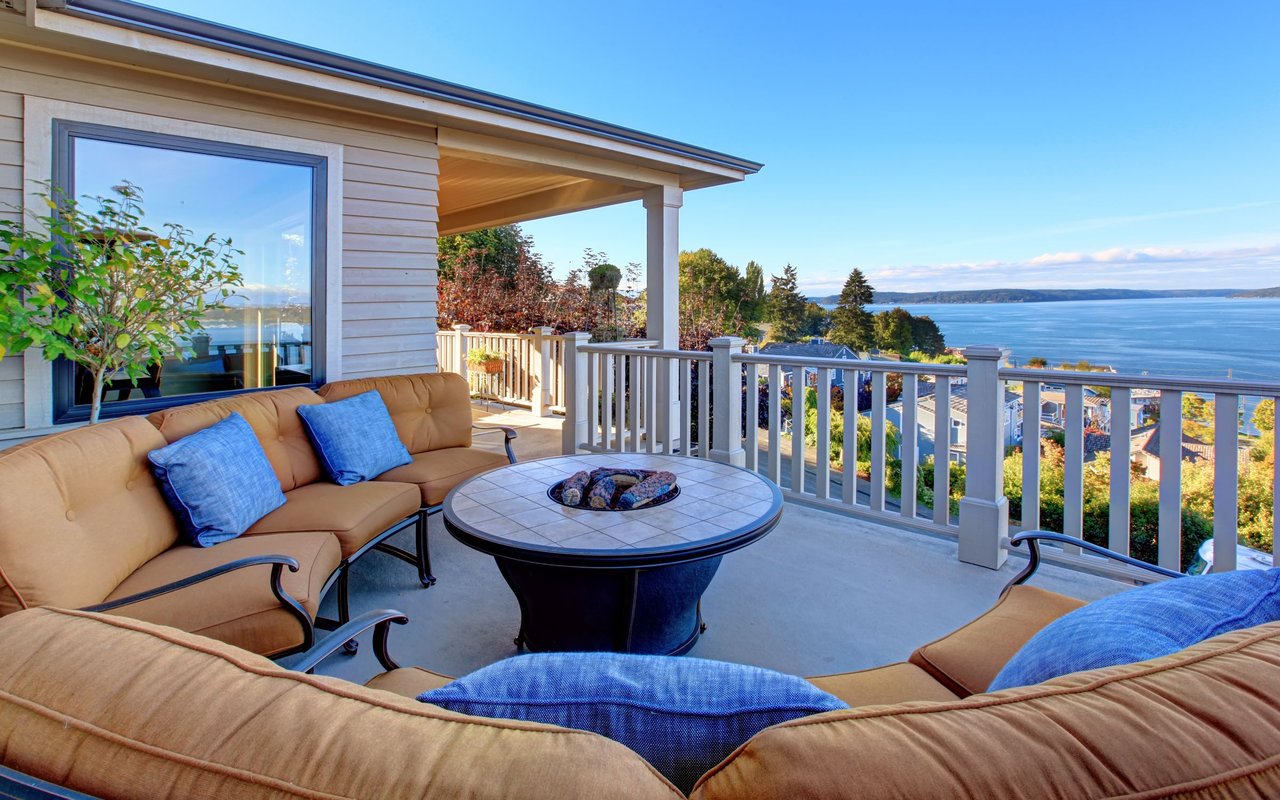
Barrie sits on the shores of Kempenfelt Bay (part of Lake Simcoe), about an hour north of Toronto. It offers something the GTA increasingly can't: detached homes with driveways and yards at a fraction of the price, a genuine four-season lifestyle (beaches in summer, skiing 20 minutes away in winter), and a downtown and waterfront that keep expanding as more people arrive. For buyers who work remotely or only need to commute a few days a week, it's an easy trade.
As of July 2026, the average home price in Barrie sits around $649,000, with a median sale price near $638,750. Compare that to Toronto, where detached homes routinely list well north of $1.2M, and the gap becomes the whole story for a lot of relocating buyers. Beyond housing, property taxes, groceries, and everyday services in Barrie also run noticeably lower than in the core GTA — though it's worth budgeting for a car (or two), since Barrie is far more drivable-city than transit-city outside the downtown core.
(Home prices shift month to month — ask your agent for the current MLS® numbers before you set a budget.)
This is the number one question every Toronto buyer asks, so let's be direct about it. The GO Train Barrie line connects Allandale Waterfront and Barrie South stations to Union Station, with a ride time of roughly 1 hour 35–45 minutes depending on which station you board from. Service is heaviest during weekday peak periods, with lighter midday and evening schedules — so this works best for a traditional 9-to-5 commute, less so for odd hours. By car, Barrie to downtown Toronto via Highway 400 typically runs 60–90 minutes outside of rush hour, longer during peak traffic. Always check GO Transit's live schedule before you commit to a commute-dependent move, since service frequency changes.
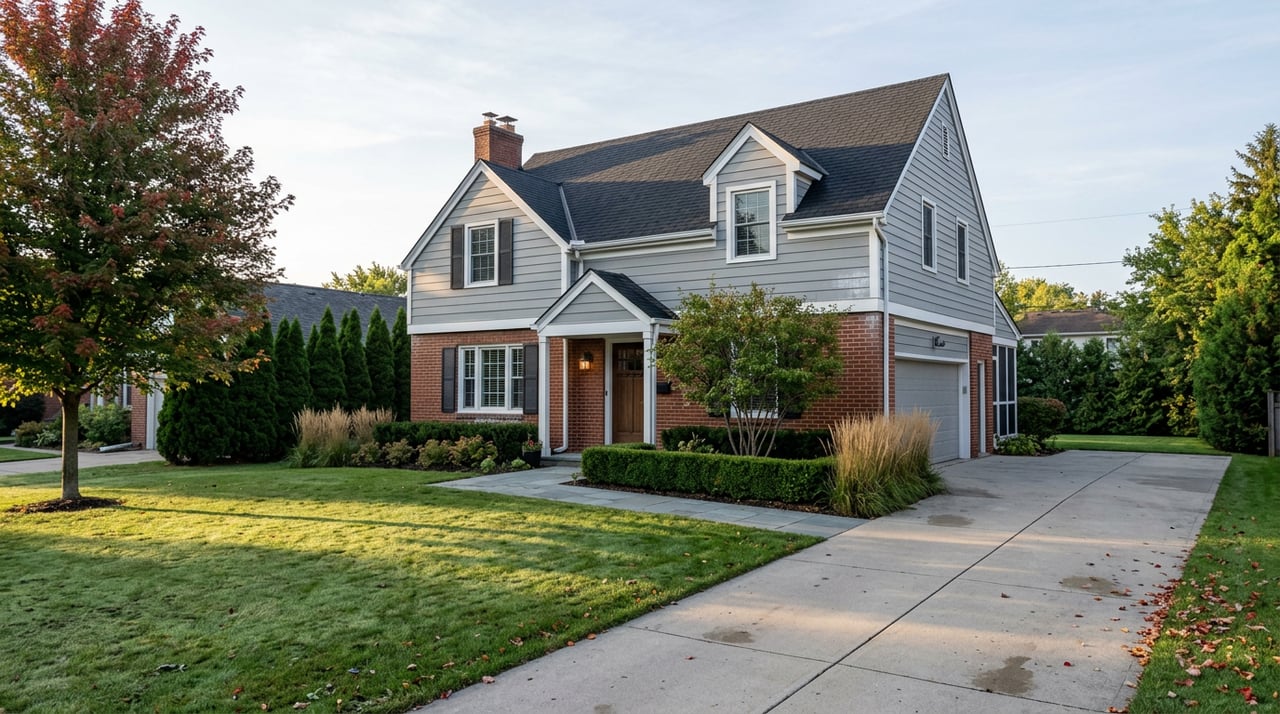
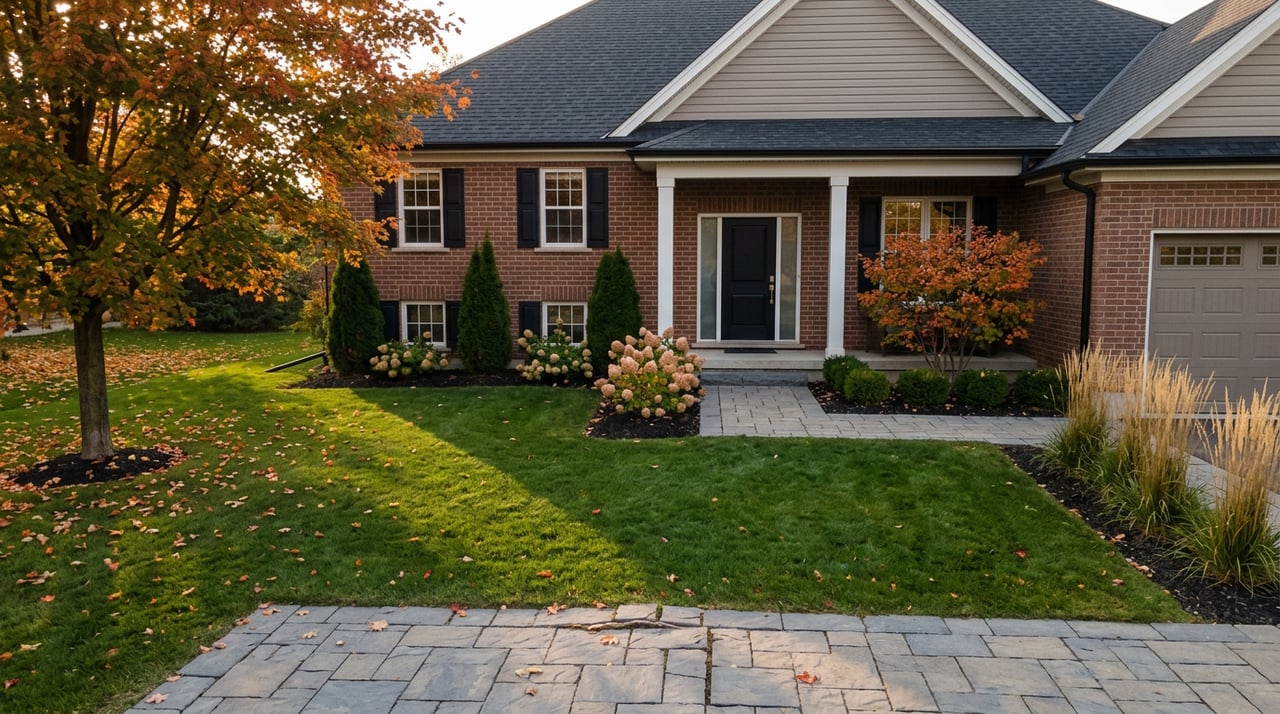
Most Toronto transplants we work with aren't chasing a downtown, walkable lifestyle — they're leaving that behind. The clear favorites are South Barrie, Innis-Shore, and rural Barrie, in that order, because they deliver the space, newer builds, and privacy that prompted the move in the first place.
Barrie is served by both the Simcoe County District School Board and the Simcoe Muskoka Catholic District School Board, with a wide range of elementary and secondary options across every neighborhood listed above. Families relocating from Toronto often find class sizes smaller and school communities tighter-knit — worth a visit to the specific school in your target neighborhood before you buy.
If you're serious about relocating to Barrie — or still comparing it against Innisfil, Orillia, or the rest of Simcoe County — a local agent can save you months of guesswork. I help Toronto-area buyers find the right neighborhood fit, not just the right house. Reach out and let's talk about what makes sense for your budget and commute.
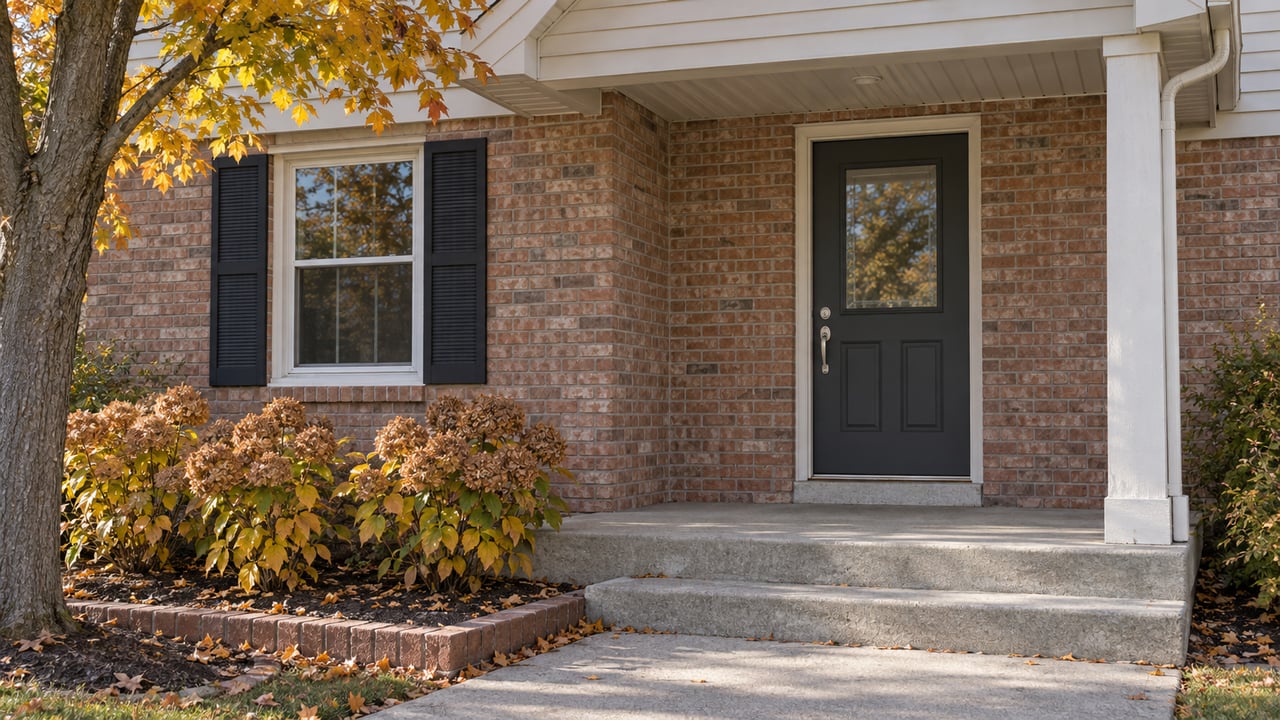
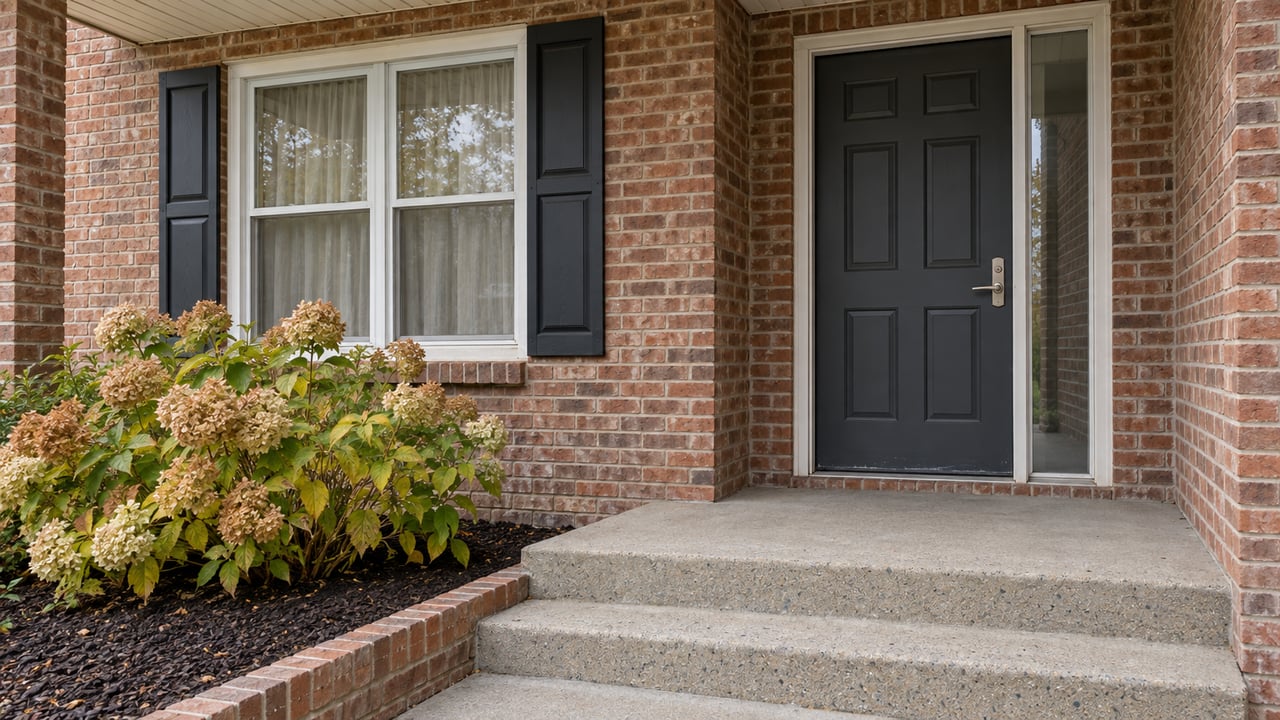

A local look at homes, neighbourhoods, lifestyle, commuting and what buyers should know when choosing between Barrie and Springwater, Ontario.
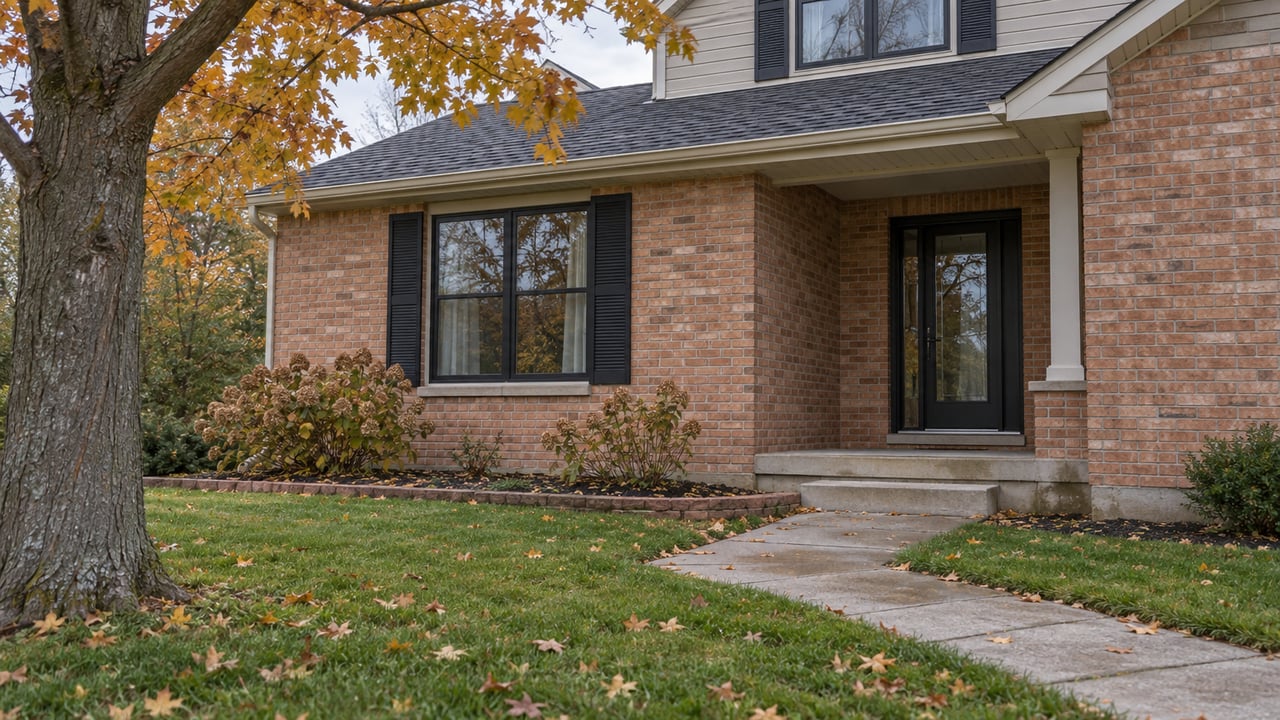


Working with Heather Beauchesne means having a trusted Barrie real estate expert who brings over a decade of experience and a clear, people-first approach to every move. Specializing in residential real estate, first-time buyers, and military relocations near CFB Borden, she offers honest guidance, strategic insight, and steady support from start to finish.
Heather Beauchesne | Hearth & Home Team
218 Bayfield St Barrie ON L4M 3B6, Canada