
Midhurst Is Two Real Estate Markets Wearing One Name
Two homes list within a few thousand dollars of each other this month in Midhurst. One is scheduled to close in four weeks. The other could take three months, longer if a well test comes back questionable or a septic file can't be located. Same postal code. Same rough drive time into Barrie. Same word, "Midhurst," on the sign out front.
The difference isn't the price. It's which side of a planning line the lot sits on, and almost no listing sheet tells you that outright.
Midhurst has functioned as a heritage village north of Barrie for well over a century, and until recently nearly every home there sat on a private well and a private septic system, the way rural Simcoe County properties typically do. That started changing with the Midhurst Secondary Plan, known formally as OPA 38, which the Township of Springwater adopted to guide new growth in the area and which triggered a master plan for water, wastewater, and transportation upgrades to serve it.
Getting there wasn't quiet. The Midhurst Ratepayers Association spent roughly twelve years and more than $250,000 in legal and planning fees opposing the scale of development proposed for the Carson Road lands, raising concerns tied to the neighboring Minesing Wetlands and habitat for the Hine's emerald dragonfly, a species that nests in only a handful of Canadian locations. The Nottawasaga Valley Conservation Authority was involved in reviewing the environmental assessment before the project could proceed. Council approved Phase 1 of the subdivision, 342 homes, in December 2020, and construction began in January 2021, with roughly 2,500 units expected once the full build-out is complete.
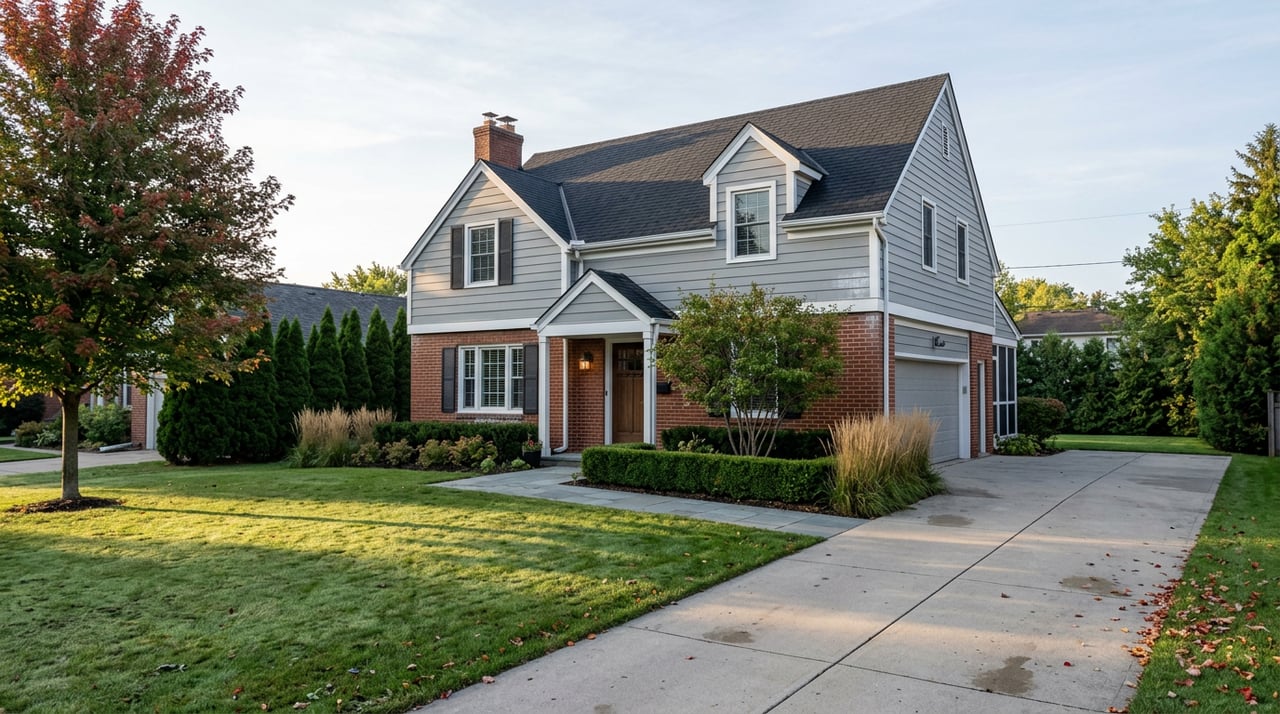
That fight is the reason Midhurst today has a real seam running through it. On one side sits the legacy village, still largely on private infrastructure. On the other sits a master-planned community built with municipal water and wastewater service from the start. Both call themselves Midhurst. Neither transaction works the same way.
| Legacy Midhurst | Midhurst Valley (new construction) | |
|---|---|---|
| Water and sewer | Private well, private septic | Municipal water and wastewater |
| Buyer protection | No standard warranty, condition-based inspection | Tarion new home warranty |
| Typical price band | Roughly $1.0 to $1.1 million for resale homes in recent 2026 tracking | Entry pricing from the high $600s for smaller product, running past $1.2 million for larger detached models |
| Typical closing path | Weeks longer if well or septic documentation is incomplete | Firm closing dates, with move-in-ready inventory closing in as little as 30 to 60 days |
| Lot character | Mature trees, wider setbacks, half-acre-plus common | Standard subdivision lots, newer streetscape |
The resale side of Midhurst has been performing well relative to the rest of Springwater. Recent 2026 tracking put Midhurst's average home sale price just over $1.07 million, with a sale-to-list ratio near 97 percent, and roughly one in five listings selling within ten days, both stronger figures than the township-wide average. Sold-data rankings placed Midhurst third among Springwater's ten neighborhoods this year. None of that reflects the new-construction side, where Geranium's Midhurst Valley community currently anticipates 2027 closings for its newest phase and offers Barrie South and Allandale GO Station access as part of the pitch to commuters.
Here's the part that catches buyers off guard. If a legacy Midhurst property sits within roughly 100 meters of a municipal wellhead, it likely falls inside Springwater's Source Water Protection Area, and Ontario's Building Code requires those septic systems to be re-inspected on a five-year cycle. Springwater Township is running this year's Mandatory Septic Re-Inspection Program right now, and the window is June through August 2026. If you're reading this in early August, that window is closing within weeks, not months.
Neighboring Clearview Township runs a comparable program, and the pattern is consistent across Simcoe County: properties near a municipal well get flagged, owners get a notice, and an inspector documents the tank, the leaching bed, and any signs of failure before the file goes back to the township. Lenders have taken notice too. Financing for rural properties increasingly comes with conditions tied to a functioning, documented septic system, which means a missing pump-out record isn't a paperwork inconvenience. It's a condition that can stall or sink a closing.
A septic system that hasn't been documented in five years isn't a footnote on a rural listing. It's a financing condition waiting to surface at exactly the wrong moment.
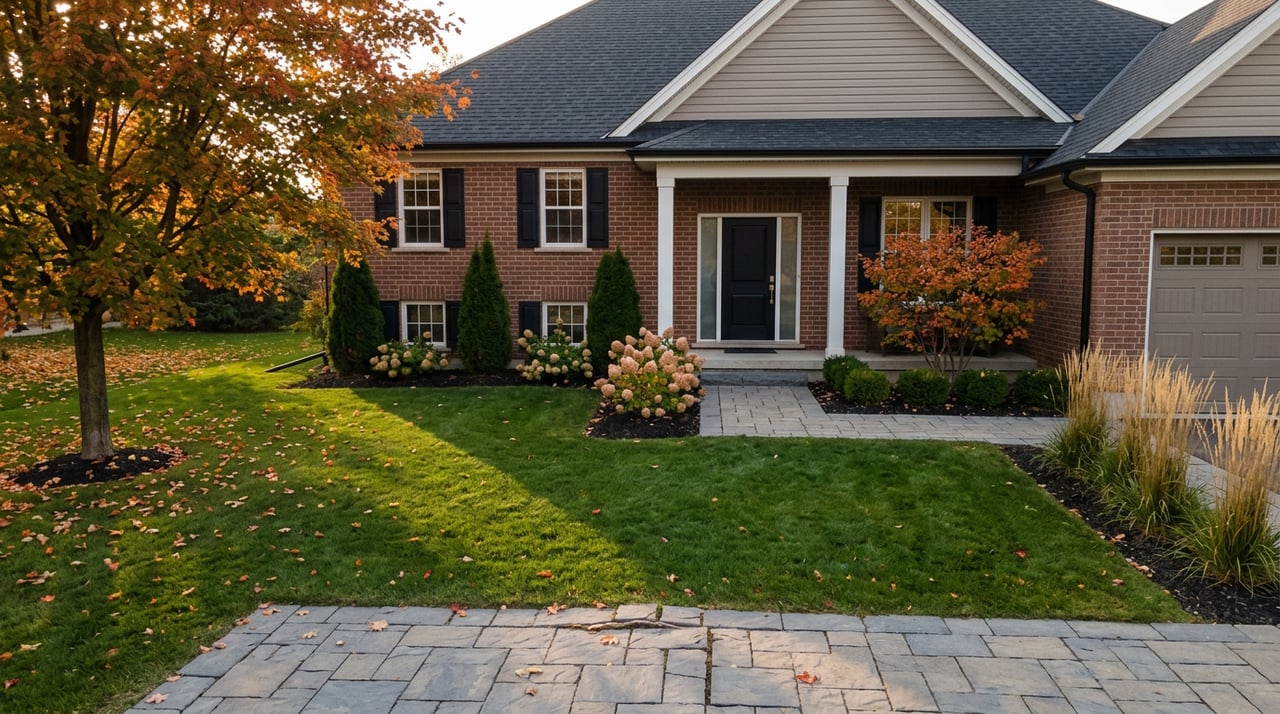
Buying into legacy Midhurst means buying mature canopy, generous setbacks, and the kind of half-acre-plus lot that newer GTA subdivisions rarely offer anymore. It also means the well and septic system become your responsibility the day you close, and any compliance gap becomes your problem to solve, on your own timeline, with your own contractor.
Buying into Midhurst Valley means municipal water and sewer, a Tarion warranty covering structural issues for years after closing, and a firm closing date you can actually plan around. It also means a newer streetscape still filling in, a build-out that Geranium expects to extend into 2027 for current phases, and a lot size closer to standard subdivision proportions than to the legacy village's wooded acreage.
Neither side is the better deal in the abstract. They're different transactions wearing the same neighborhood name, and the right one depends on what you're solving for: space and character, or predictability and warranty coverage.
Whichever side of Midhurst you're looking at, a few questions are worth asking before an offer goes in without conditions attached.
None of these questions show up on a standard listing sheet. All of them affect how long your closing actually takes.
Is every home in Midhurst on a well and septic system? No. Legacy homes in the older village typically are. Homes in the newer Carson Road area, including Midhurst Valley, are being built with municipal water and wastewater service under the township's Secondary Plan.
How do I find out if a specific address falls inside the mandatory re-inspection zone? The Township of Springwater doesn't keep individual well records. For well-specific questions, the Ontario Well Registry is the right first call. For septic compliance history and zone confirmation, Springwater's building services department handles routine disclosure requests for a fee.
Does a new-build home in Midhurst Valley still need a septic system? No. The municipal servicing built out under the Secondary Plan is part of what distinguishes new construction in Midhurst from the legacy village.
Midhurst rewards buyers and sellers who understand which half of the neighborhood they're standing in before conditions come off. If you're weighing a legacy lot against new construction, or trying to figure out what a septic re-inspection notice actually means for your closing date, Hearth & Home Team works through these details with Simcoe County buyers and sellers every week. Book a consultation and get a straight read on your specific address before you write an offer.



CFB Borden
A Military Family’s Guide to Living, Buying & Relocating Near CFB Borden
Working with Heather Beauchesne means having a trusted Barrie real estate expert who brings over a decade of experience and a clear, people-first approach to every move. Specializing in residential real estate, first-time buyers, and military relocations near CFB Borden, she offers honest guidance, strategic insight, and steady support from start to finish.

Heather Beauchesne | Hearth & Home Team
218 Bayfield St Barrie ON L4M 3B6, Canada